
15 Best Places to Visit in the Cotswolds: A Guide

This post may contain affiliate links which means that we may earn a small commission, at no extra cost to you, for qualifying purchases. More info: read our disclaimer.
By the final stop on our Cotswolds road trip, the shops were closing and we were exhausted. We’d seen some beautiful places, but I learnt that trying to visit every famous village isn’t necessarily the best way to enjoy the region.
With so many picturesque villages and historic market towns to choose from, deciding where to go can be tricky. In this guide, I’m sharing 15 of the best places to visit in the Cotswolds, including my personal favourites, to help you decide where to go on your first trip.
Short on time? I’d prioritise Bibury for its riverside scenery, Lower Slaughter for a quieter village wander and Burford for its shops and traditional pubs. If you’re exploring the southern Cotswolds, Castle Combe is worth considering too.
1. Bibury
If I had to choose one village to recommend to someone visiting the Cotswolds for the first time, it would be Bibury.
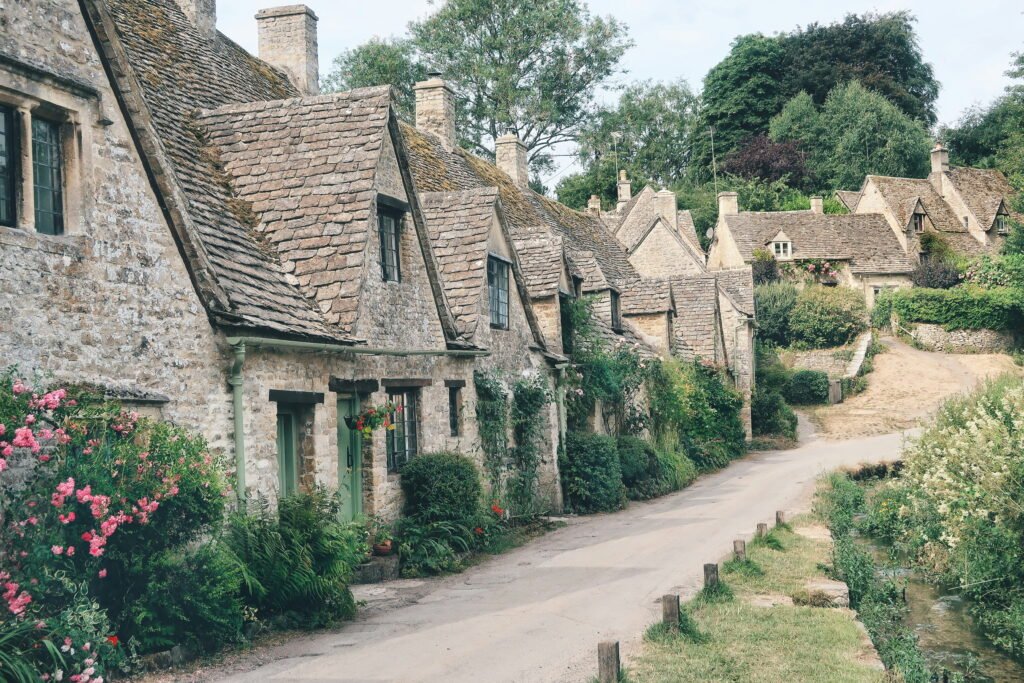
It’s one of the most photographed villages in the region, largely thanks to Arlington Row, a beautiful line of historic stone cottages that looks like something from a storybook. But I think Bibury is worth visiting for more than that one famous view.
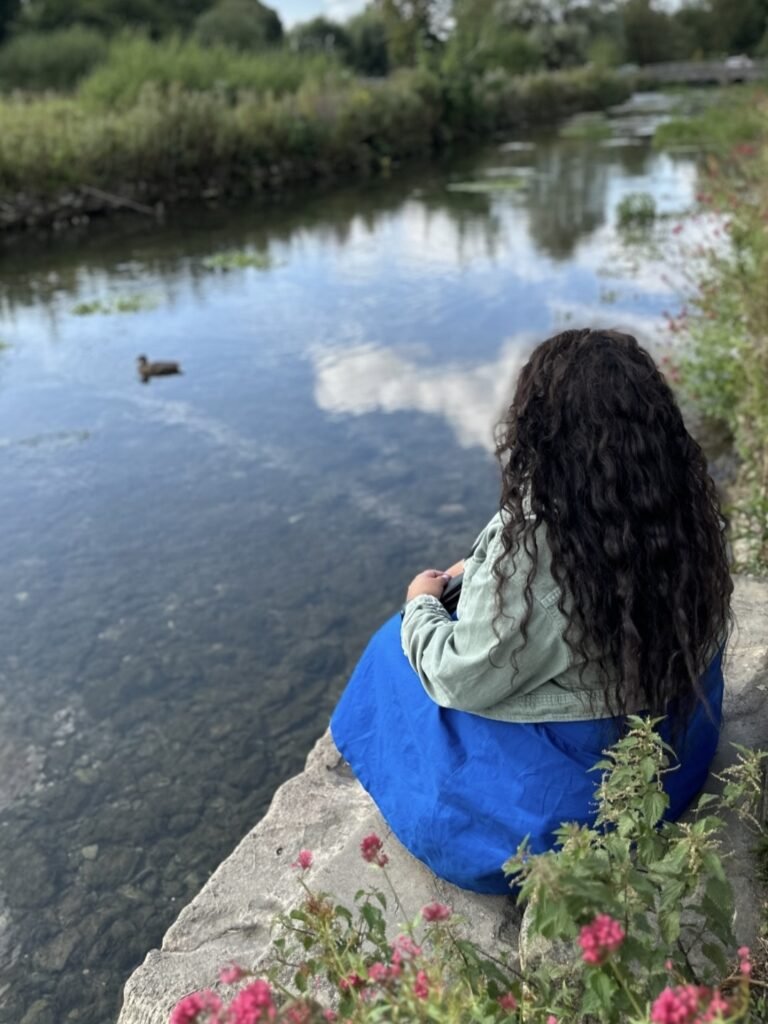
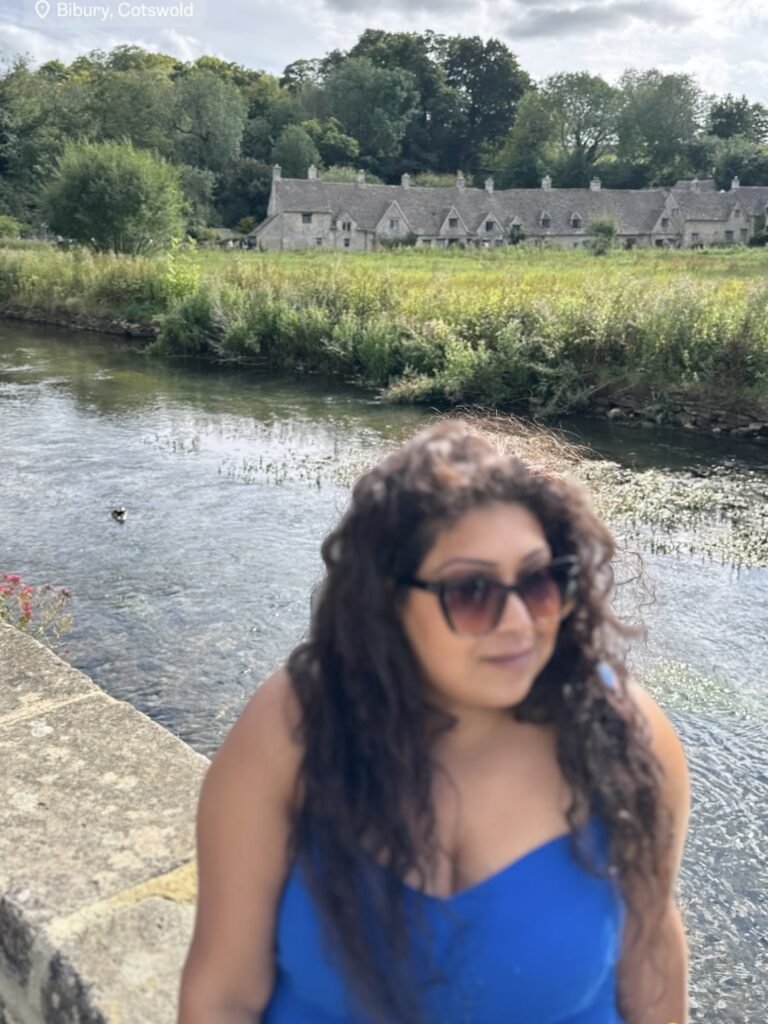
I loved walking beside the River Coln, crossing the little bridge and following the path towards Arlington Row. With ducks and swans on the water and honey-coloured cottages around you, it’s exactly the sort of scenery people imagine when they think of the Cotswolds.
We actually passed through Bibury again later in the day, when the sun was beginning to set and the temperature had dropped. It was much quieter than during our earlier visit, and I loved seeing the village without so many people around.
That second visit reminded me that timing can make a real difference, particularly in the most popular Cotswolds villages.
What to see in Bibury
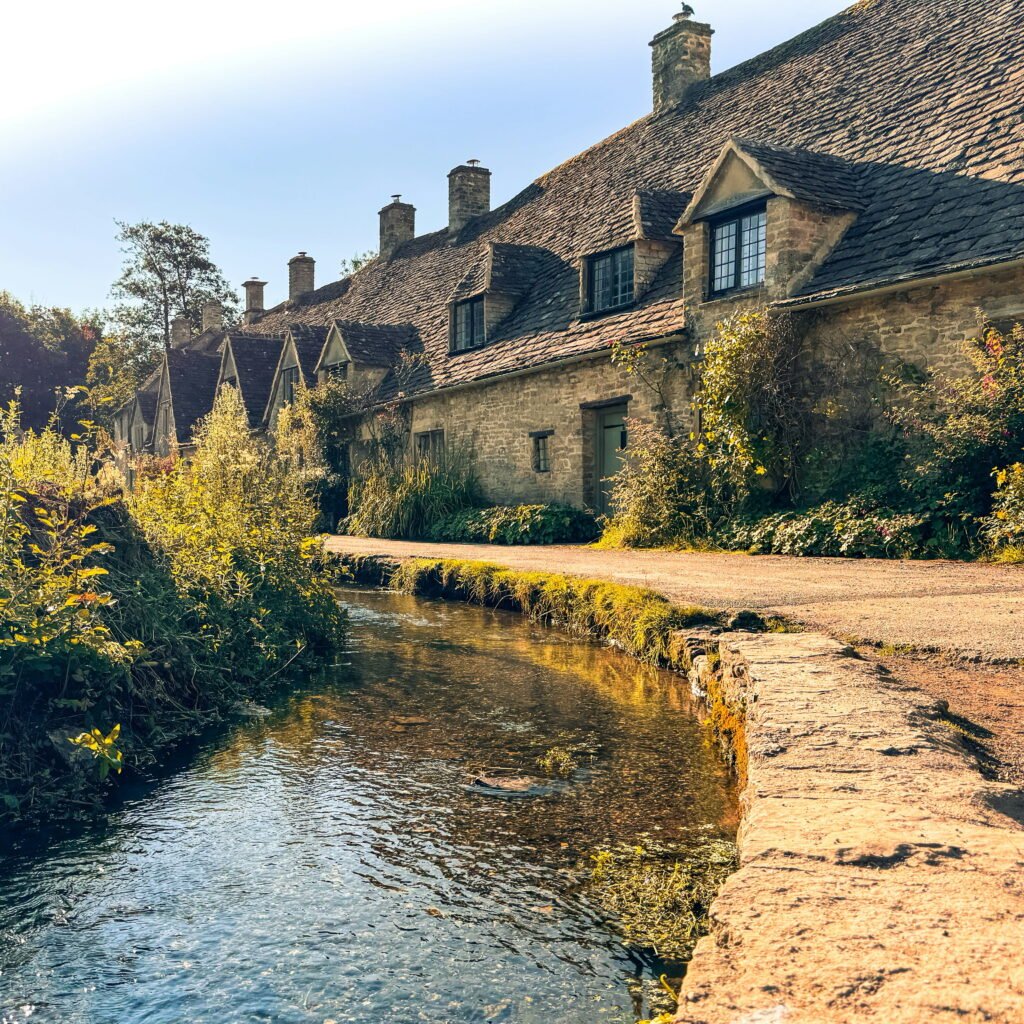
Arlington Row is the obvious highlight, but I’d also make time to walk along the River Coln rather than simply taking a photograph and leaving.
If you’d like to stop for lunch rather than just wander through the village, The Swan Hotel is another option to consider. Its riverside setting makes it an appealing place to take a break while exploring Bibury. I’d check the current dining arrangements and book ahead if you’re visiting during a busy period.
You don’t need a packed list of attractions here. The appeal is in the setting, and I think Bibury is best enjoyed at a relaxed pace.
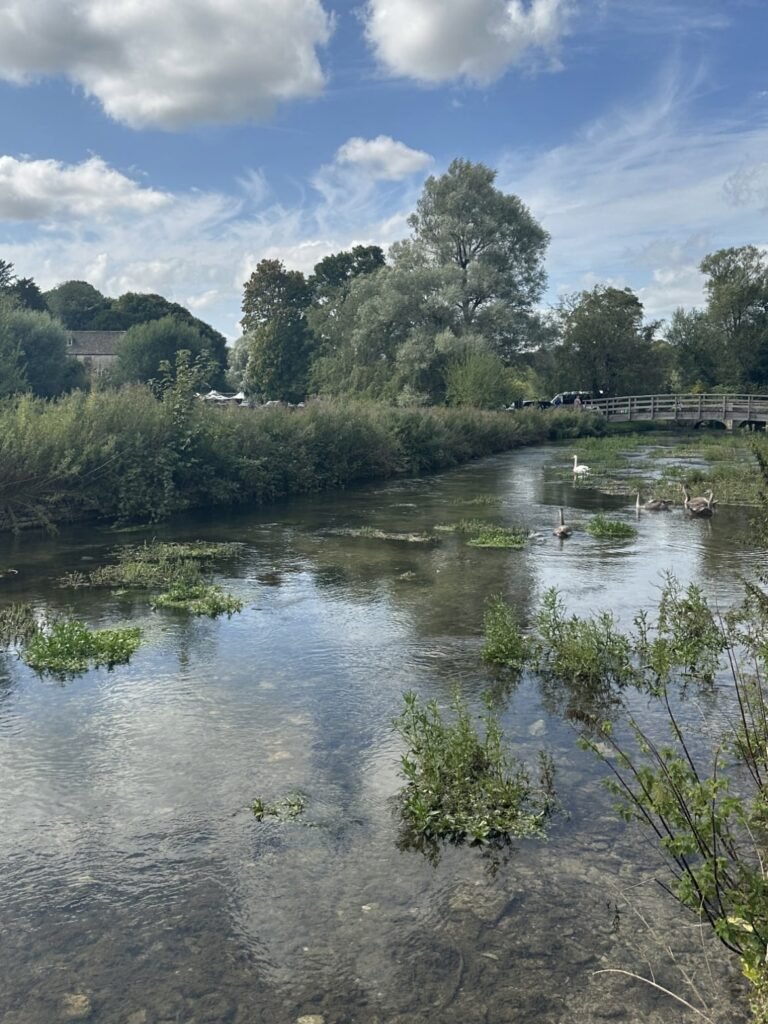
My tip: Visit early in the morning or later in the day if you can. Bibury was my favourite village, and seeing it when it was quieter made it even more memorable.
2. Castle Combe
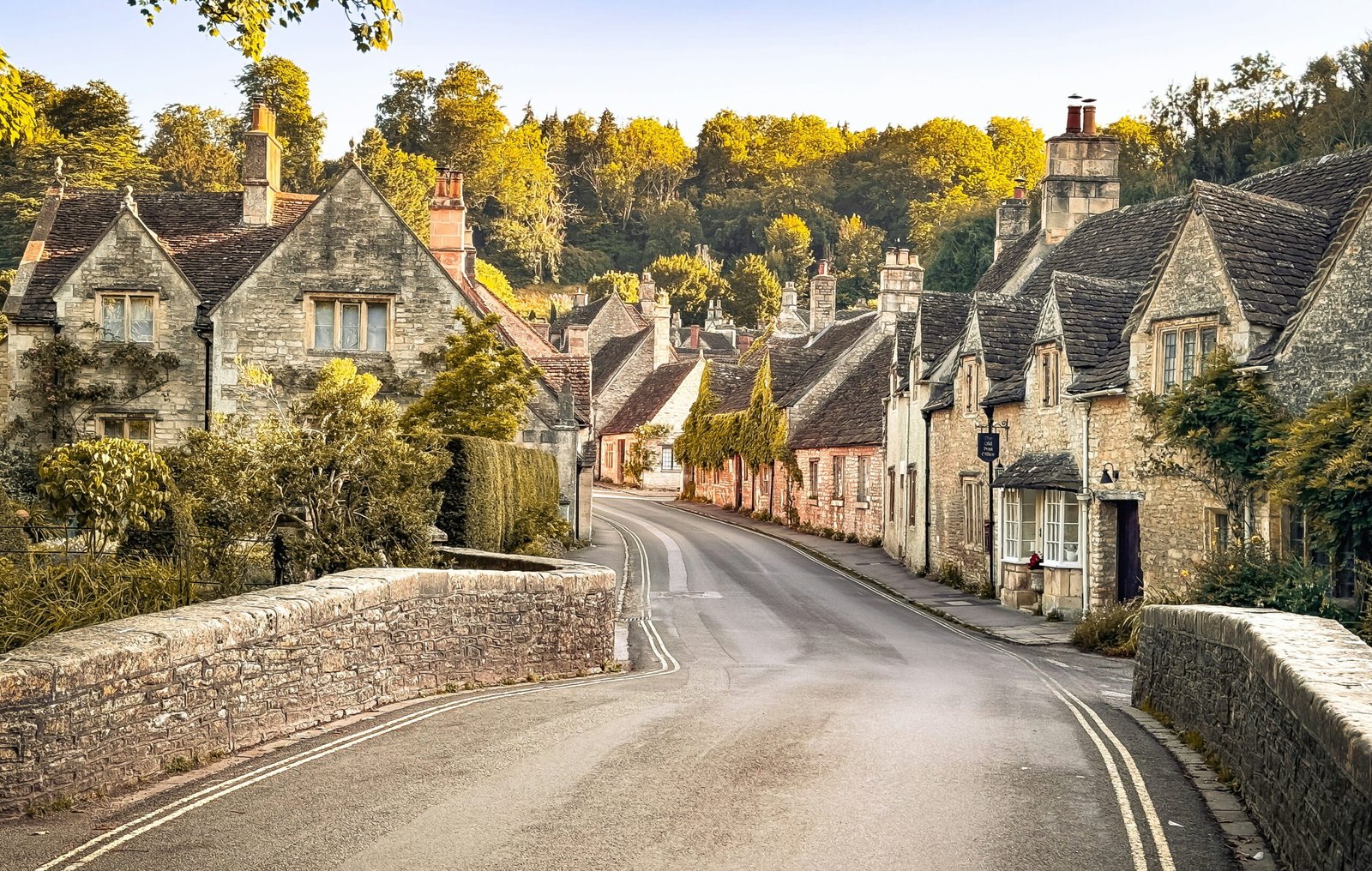
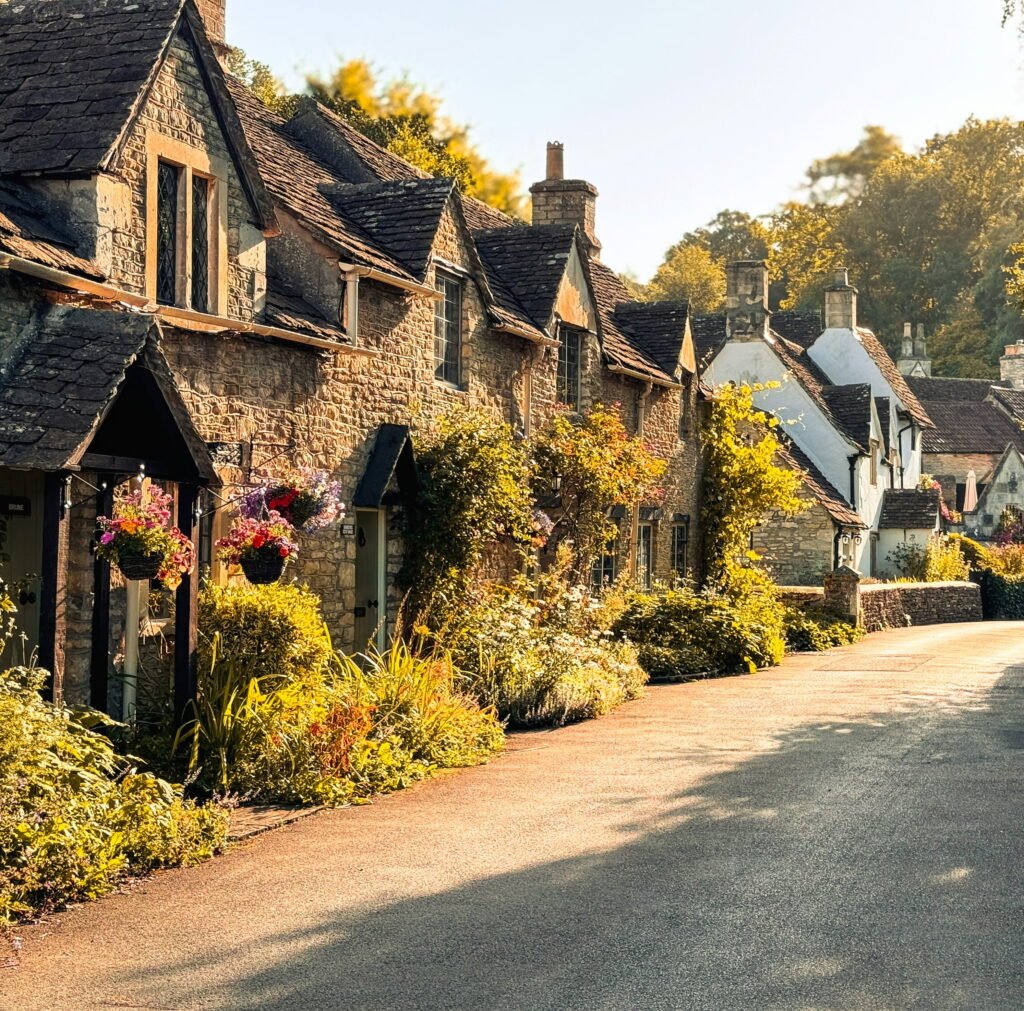
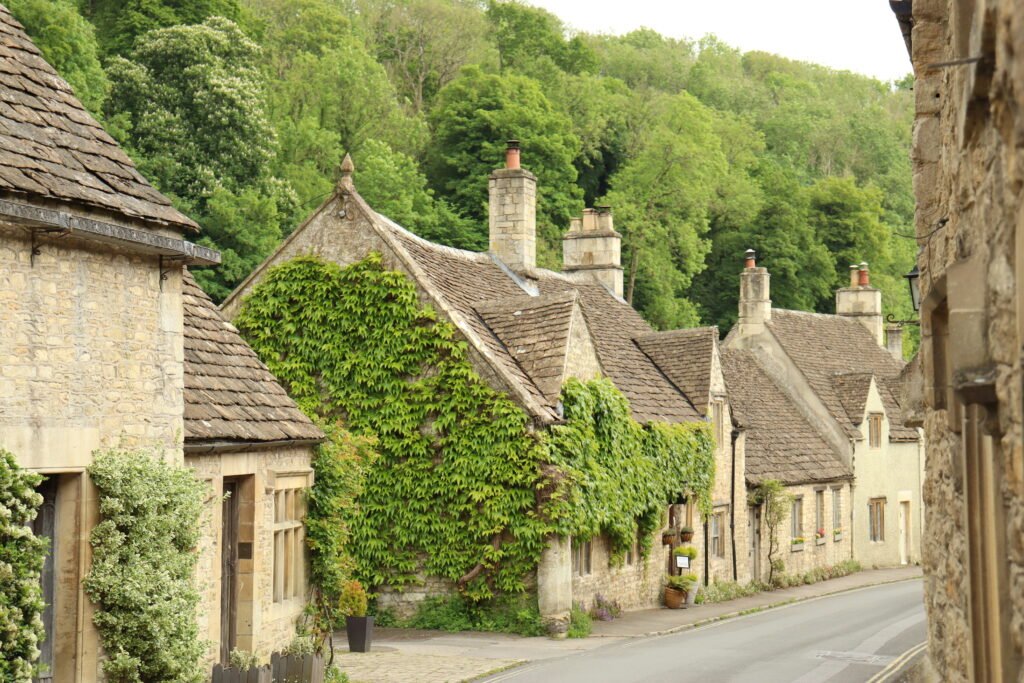
Castle Combe is one of the most recognisable villages in the Cotswolds, with stone cottages, narrow streets and a setting that looks as though it belongs in a period drama.
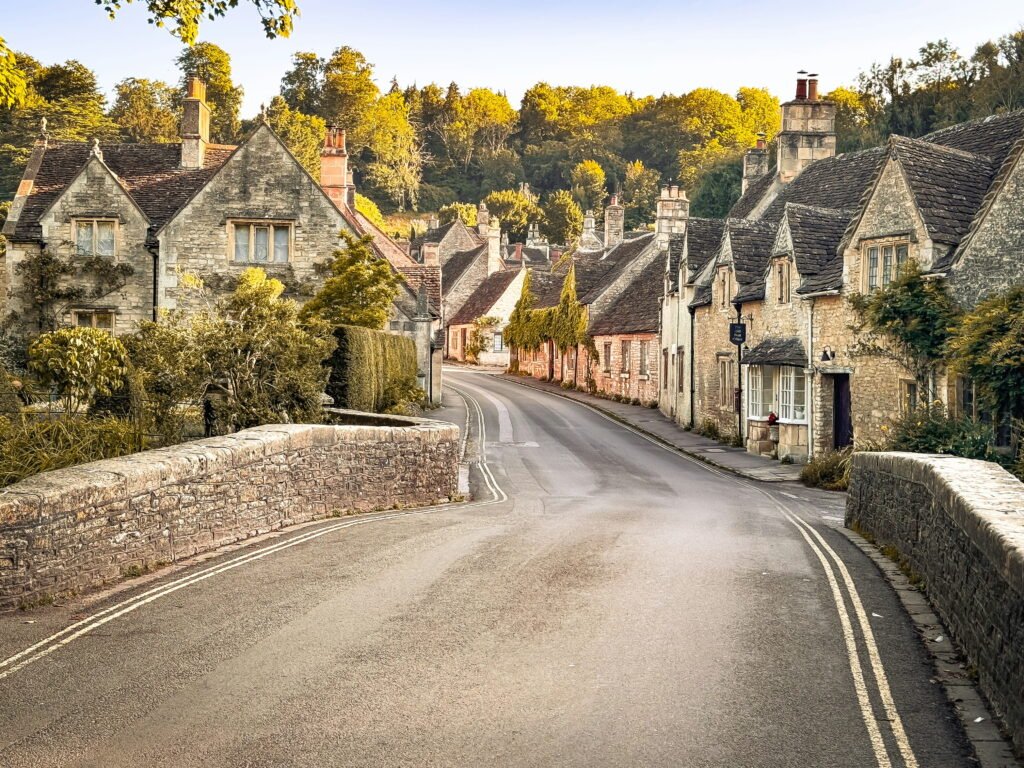
It’s in the southern Cotswolds, so it’s worth considering if you’re exploring this part of the region rather than concentrating on the villages around Bourton-on-the-Water and Stow-on-the-Wold.
The heart of the village is the Market Cross, surrounded by traditional stone buildings. From there, you can wander along the streets and walk down towards By Brook, where the cottages and bridge create one of Castle Combe’s best-known views.
Is Castle Combe worth visiting?
Castle Combe is a good choice if your main reason for visiting the Cotswolds is to see its famous village scenery. It’s small, though, so the village itself is better suited to a leisurely wander than a full day of sightseeing.
The main thing to consider is its location. If you’re already exploring the southern Cotswolds or visiting Bath, Castle Combe could fit naturally into your plans. If you’re staying around Broadway or Stow-on-the-Wold, I wouldn’t add a long drive just to see another picturesque village.
If you’re driving, use the designated visitor car park on Dunns Lane in Upper Castle Combe rather than trying to park in the village centre. You’ll need to walk downhill into the village and back uphill afterwards, so factor that into your visit, particularly if you’re travelling with young children or anyone who finds hills difficult. I’d allow around 60–90 minutes for a relaxed wander, including the walk from the car park, and longer if you’re stopping for food.
3. Burford
Burford is one of the best towns in the Cotswolds if you enjoy independent shops, traditional pubs and somewhere you can spend a little longer exploring.
While some Cotswolds villages are mainly about admiring the scenery, Burford has a lively high street with plenty to browse. You’ll find antique shops, homeware stores, bakeries, bookshops and tearooms, all surrounded by the honey-coloured buildings the area is known for.
I loved wandering in and out of the shops here. I even found a black jumpsuit in a charity shop, which wasn’t exactly what I’d expected to bring home from a Cotswolds road trip!
It’s worth walking up Burford Hill to appreciate the high street from a different perspective. The historic buildings look particularly impressive as the road slopes down towards the River Windrush.
Where to eat and stay in Burford
Burford is somewhere I’d consider stopping for a proper pub meal rather than just a quick coffee.
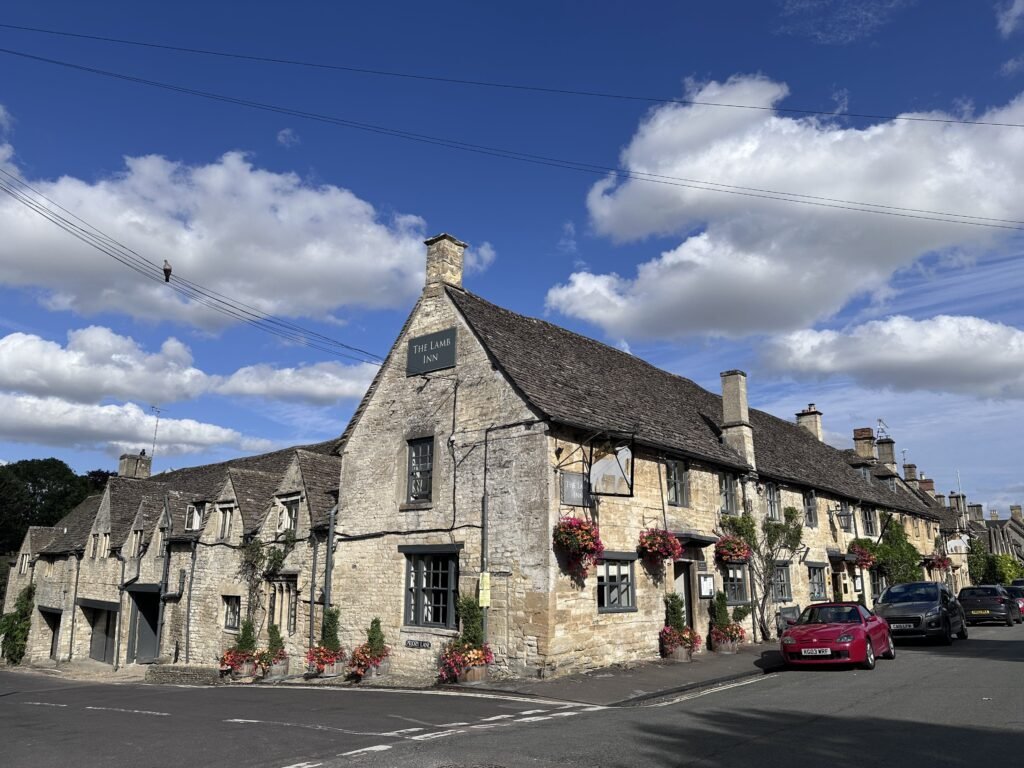
We had a drink at The Lamb Inn, which also offers accommodation if you’re looking for somewhere to stay in Burford. We then headed to The Royal Oak for dinner, where I ordered a wild mushroom and truffle oil pie. It turned out to be one of the best pub meals I’d had in a long time.
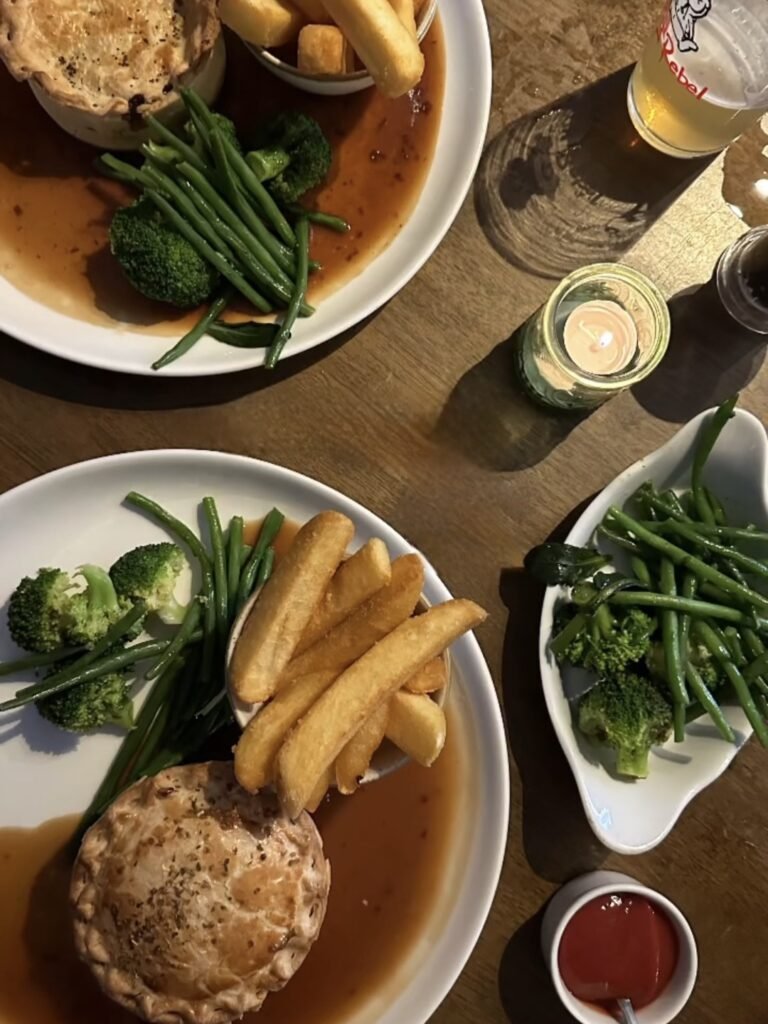
I wouldn’t plan your entire visit around a particular restaurant without checking its current menu and opening times, but Burford is a good place to allow time for lunch or dinner.
My tip: If you enjoy shopping and browsing independent businesses, give Burford longer than you would a small village such as Lower Slaughter. It’s one of the places where there’s a reason to stay beyond taking photographs.
4. Bourton-on-the-Water
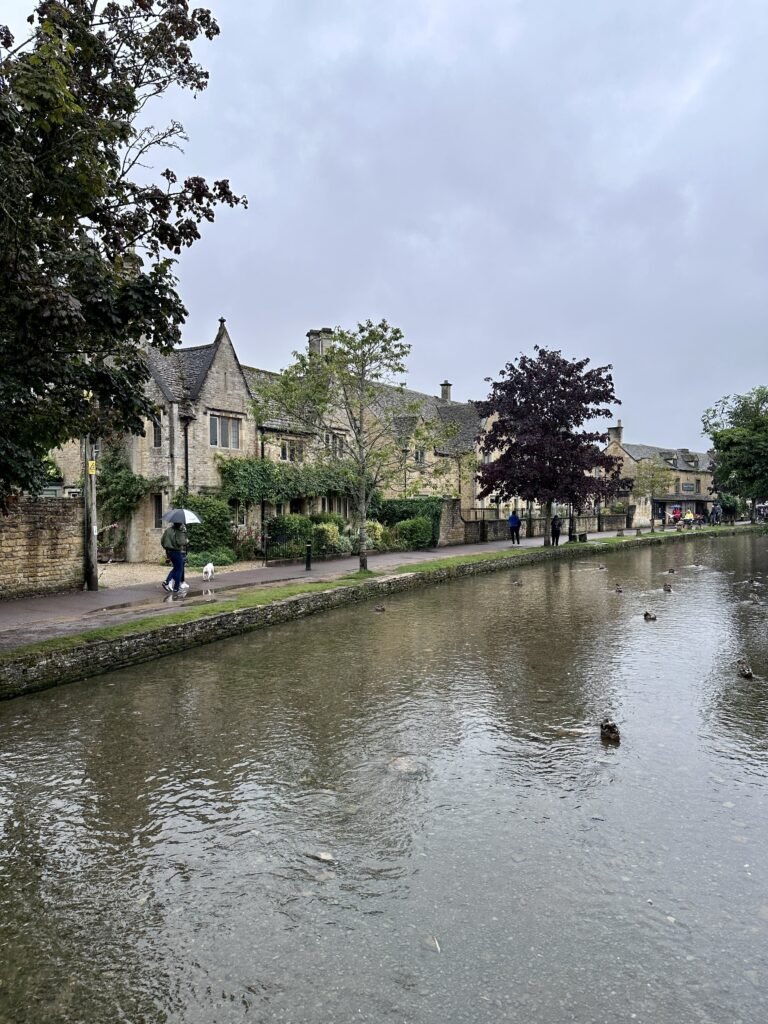
Bourton-on-the-Water is one of the most recognisable places in the Cotswolds, known for the River Windrush flowing through the centre and the little stone bridges crossing it.
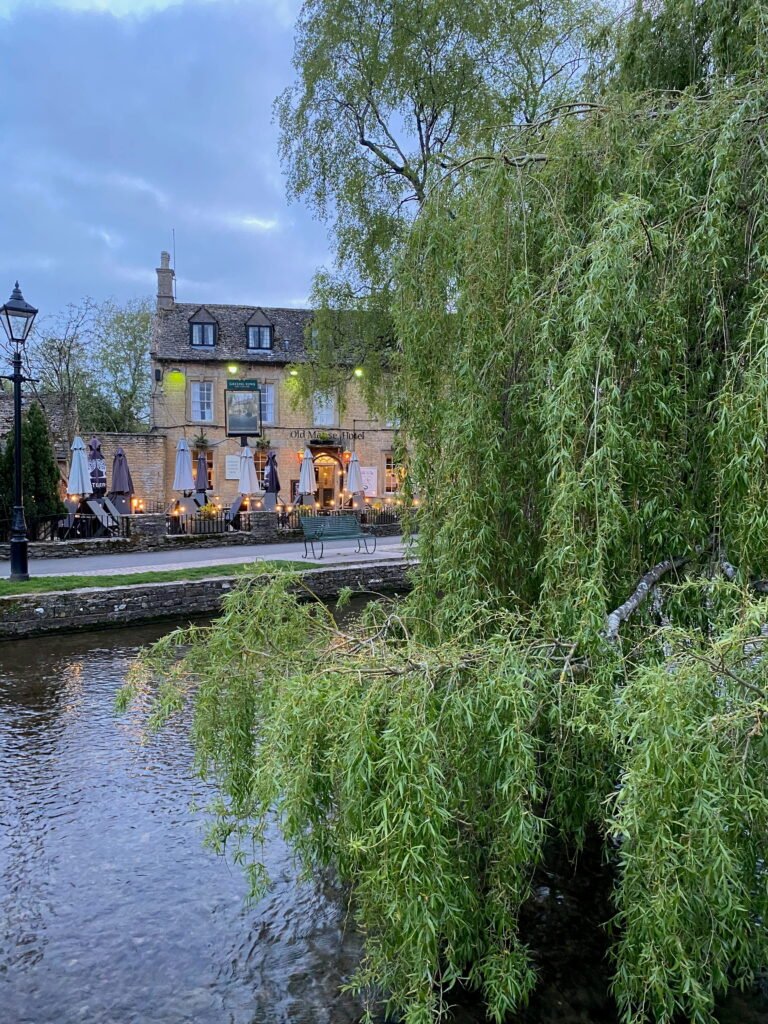
It’s easy to understand why so many visitors include it in their plans. The river, cottages, tearooms and independent shops create the classic Cotswolds scene, and there’s more to do here than in some of the smaller villages.
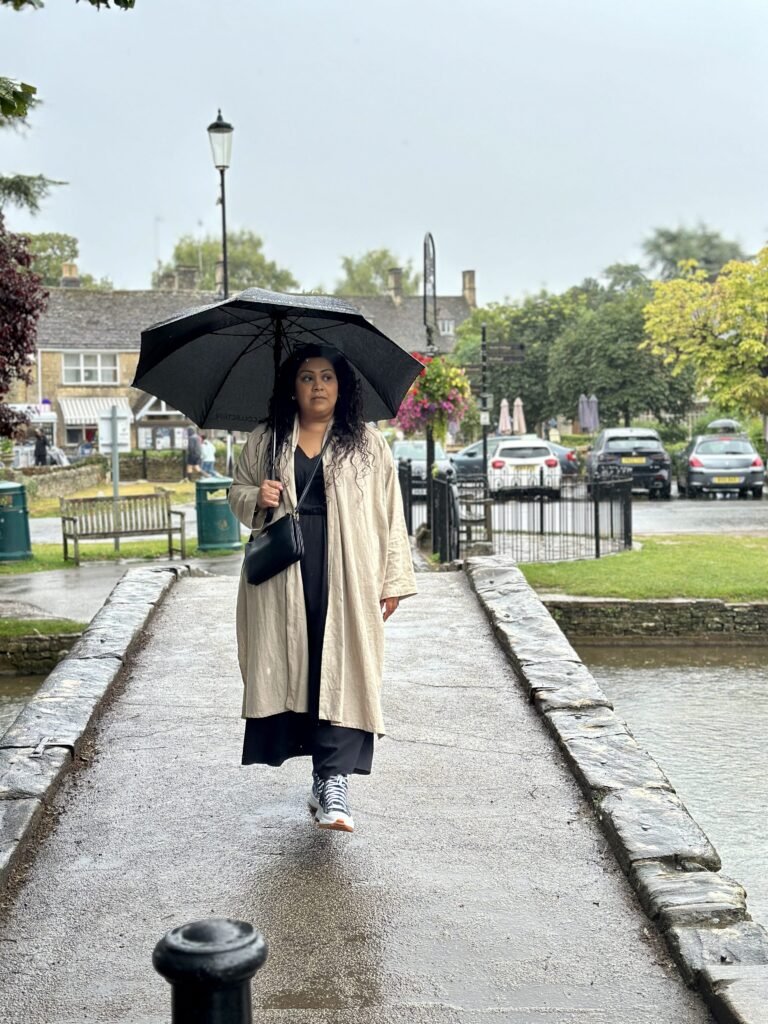
That said, my visit wasn’t quite the peaceful countryside experience you might imagine from the photographs.
It was raining heavily, and Bourton-on-the-Water was very busy. We escaped the weather by stopping at The Willow for coffee and a cream tea, which was a welcome break from walking around in the rain.
I still think Bourton-on-the-Water deserves a place on a first Cotswolds trip, but I’d go expecting a popular tourist destination rather than a quiet village.
What to do in Bourton-on-the-Water
Start by walking beside the River Windrush and crossing the stone bridges. I’d also explore the smaller streets away from the main riverfront, where you can admire more of the traditional buildings.
If you’re travelling with children or want to do more than wander around, Bourton-on-the-Water has several attractions, including the Model Village, Birdland and the Cotswold Motoring Museum. Check current admission prices and opening times if you’d like to include any of them.
My tip: Arrive early if you’re driving. Parking can get busy, and I wouldn’t leave this stop until the middle of a packed sightseeing day if it’s somewhere you’re particularly excited to visit.
5. Lower Slaughter
Lower Slaughter was one of the most charming villages I visited in the Cotswolds.
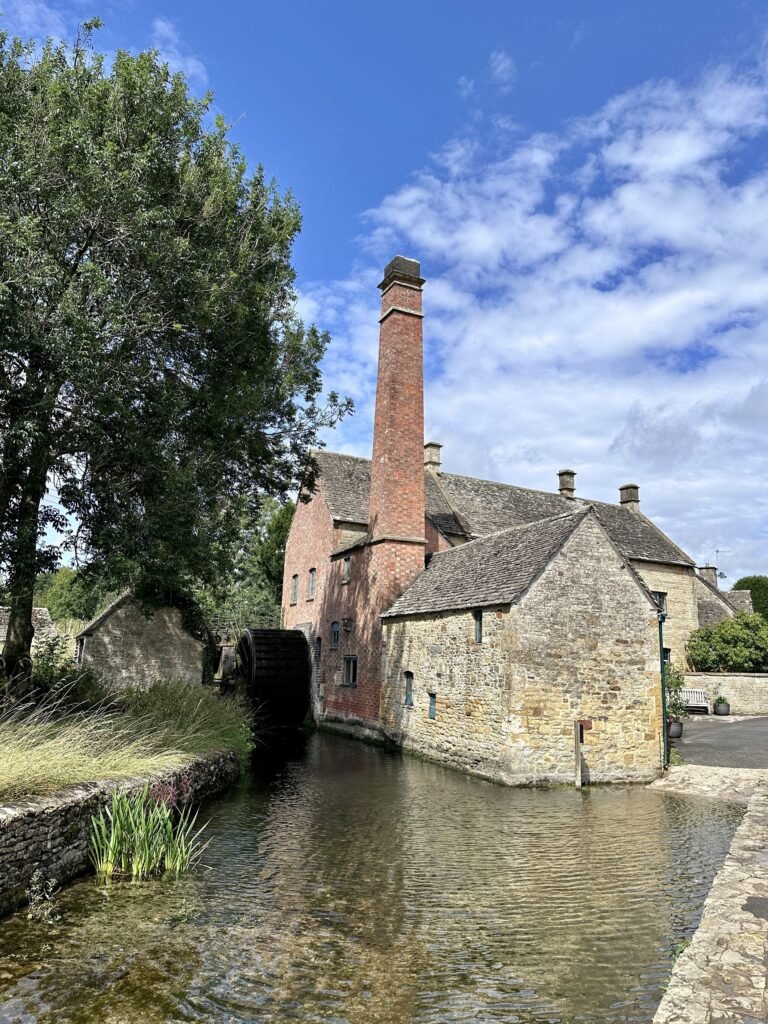
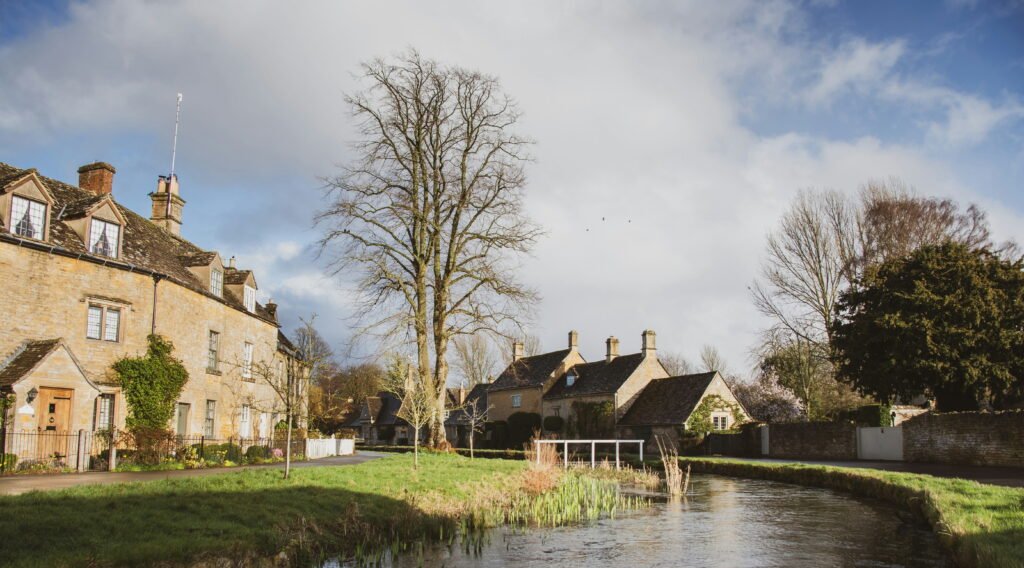
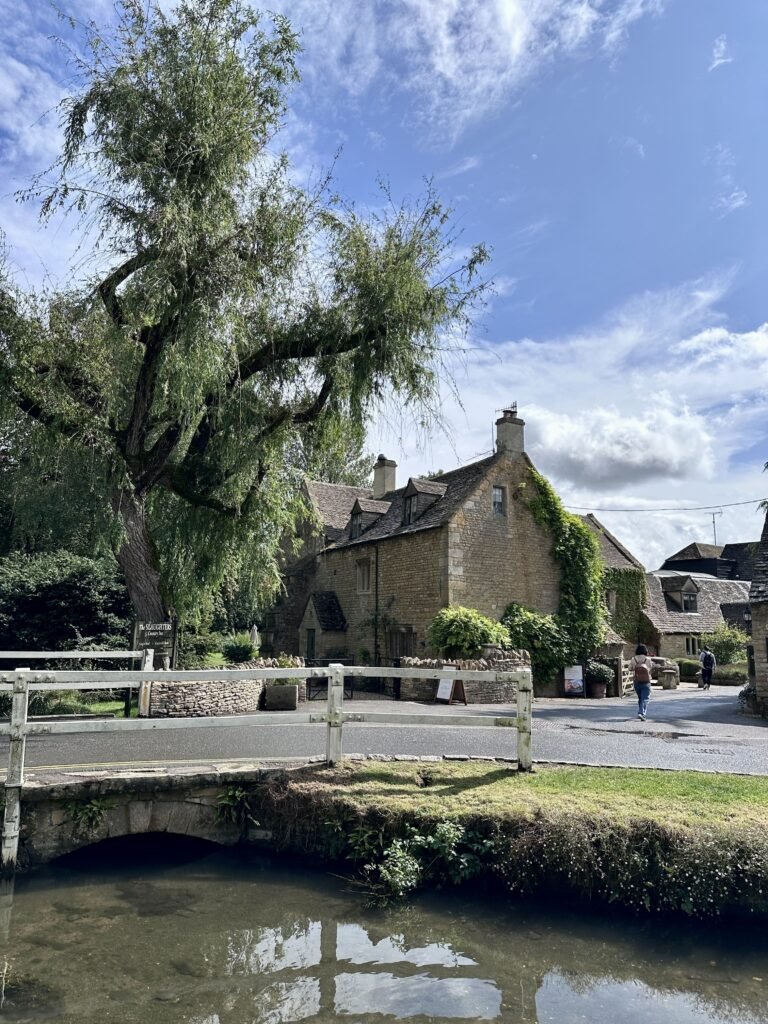
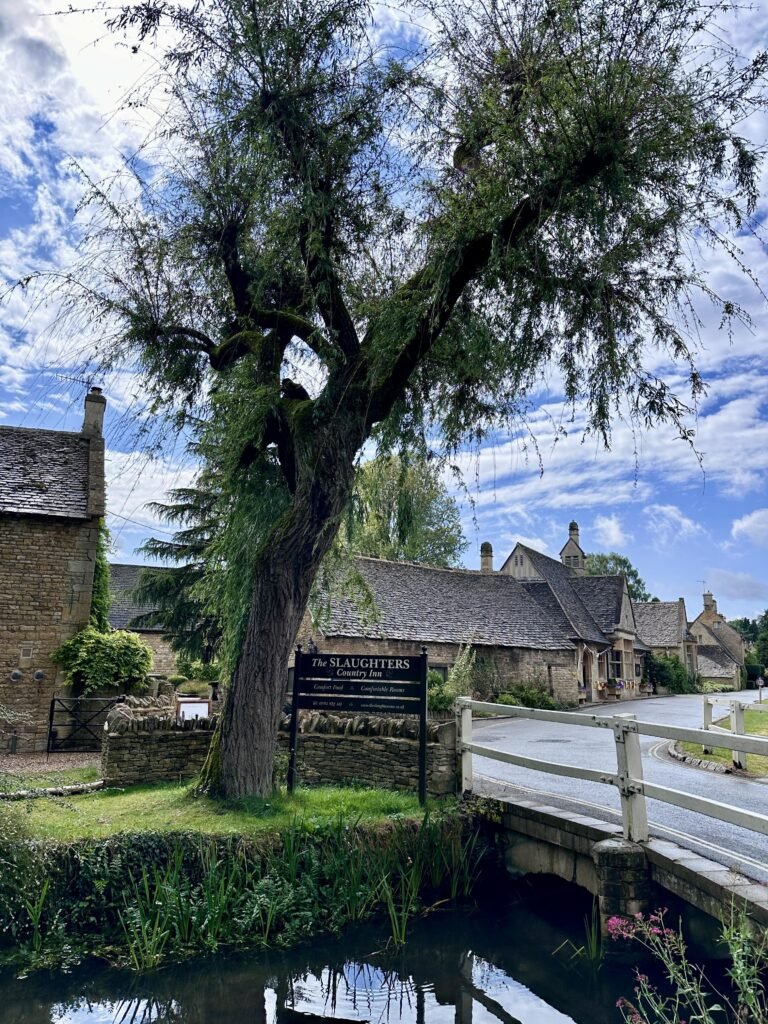
Despite its slightly unfortunate-sounding name, it’s a beautiful place to explore, with stone cottages, little footbridges and the River Eye running through the village.
I particularly loved the walk beside the water towards the Old Mill. It’s a small village, but the combination of the river and traditional buildings makes it feel very different from the busier towns.
The Old Mill is one of Lower Slaughter’s most recognisable landmarks, and it’s worth including as you wander through the village.
Is Lower Slaughter worth visiting?
Yes, especially if you’re looking for the quieter, more picturesque side of the Cotswolds.
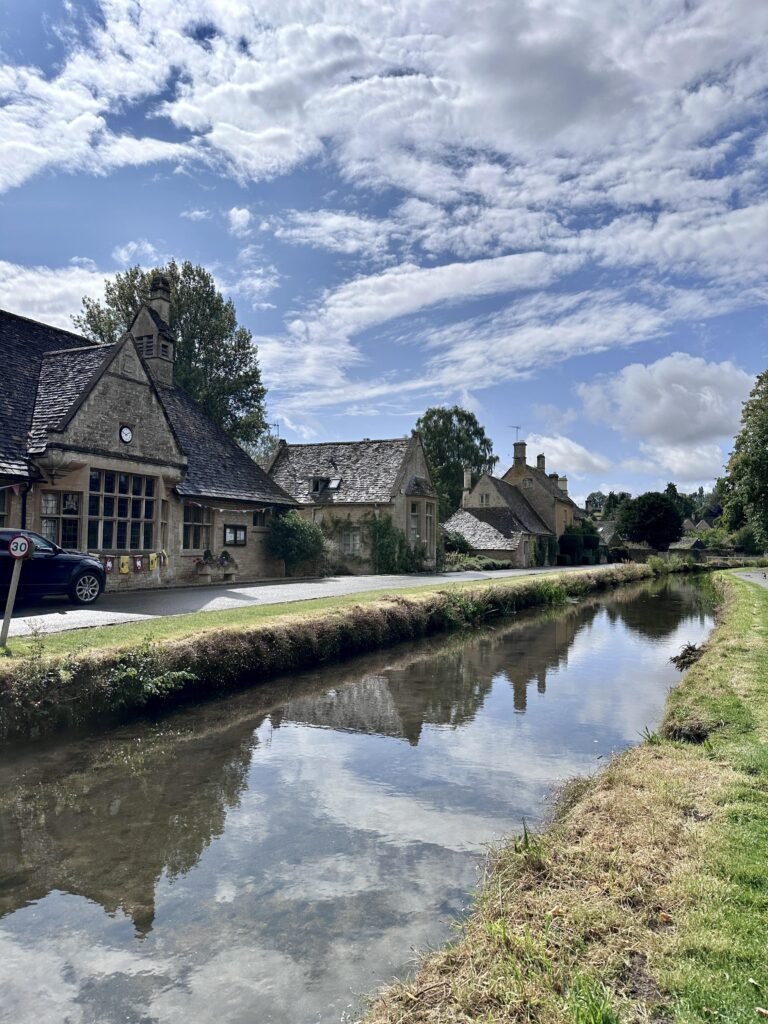
You don’t need to allow hours here unless you want to stop for food or enjoy a longer walk. For me, the pleasure was simply following the river, crossing the bridges and appreciating the setting.
Lower Slaughter is also close to Bourton-on-the-Water, so the two are easy to consider together when choosing which places to visit.
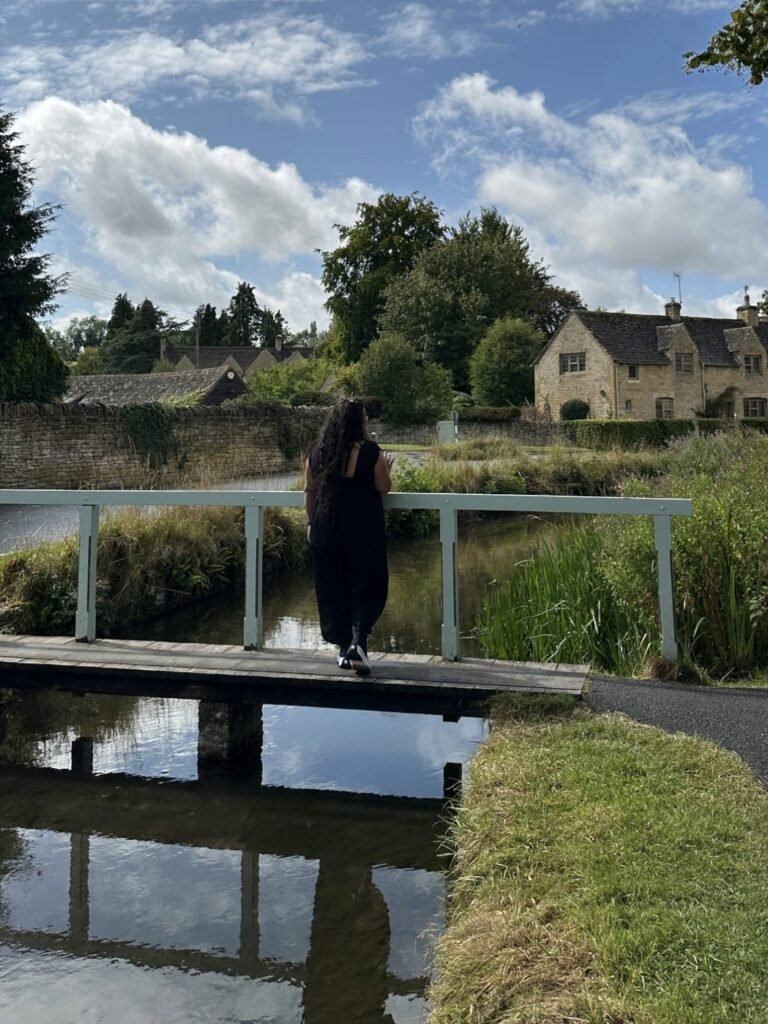
My tip: Don’t rush straight to the Old Mill and leave. The riverside walk and cottages are a big part of what makes Lower Slaughter special.
6. Upper Slaughter
Upper Slaughter is close to Lower Slaughter, and you might be tempted to visit both simply because they’re so near each other.
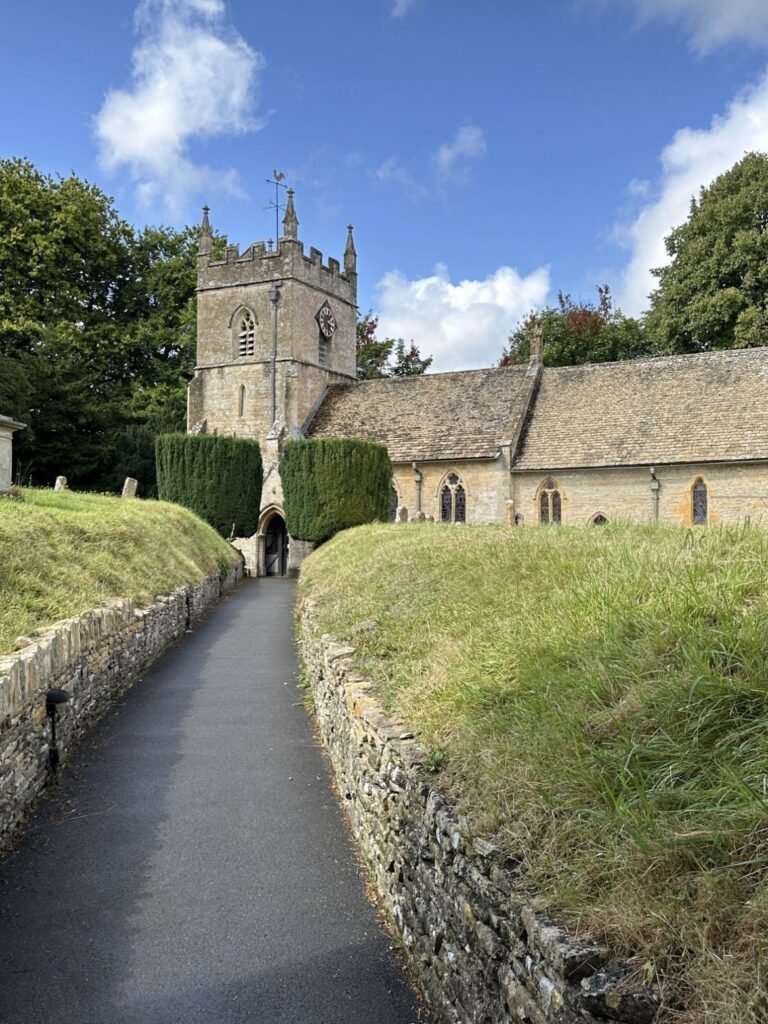
We did, but I have to admit that Upper Slaughter didn’t make quite the same impression on me.
We drove there, walked up towards St Peter’s Church and had a look around before moving on. It’s an attractive village, but I didn’t find as much to explore as I had in Lower Slaughter, and parking was limited during our visit.
That doesn’t mean Upper Slaughter isn’t worth visiting. If you’re looking for a quiet countryside walk, it could be a pleasant addition, particularly if you follow the footpath between the two villages.
But if you’re visiting the Cotswolds for the first time and trying to narrow down a long list, I’d prioritise Lower Slaughter.
Should you visit both Slaughters?
If you have plenty of time and enjoy walking, you could explore both. There’s a footpath connecting the villages through the countryside, which may be more enjoyable than driving between them simply to tick off another stop.
If you’re short on time, I wouldn’t feel that you’ve missed out by visiting Lower Slaughter alone.
7. Stow-on-the-Wold
Stow-on-the-Wold is another of the best towns in the Cotswolds if you enjoy browsing independent shops and wandering through historic streets.
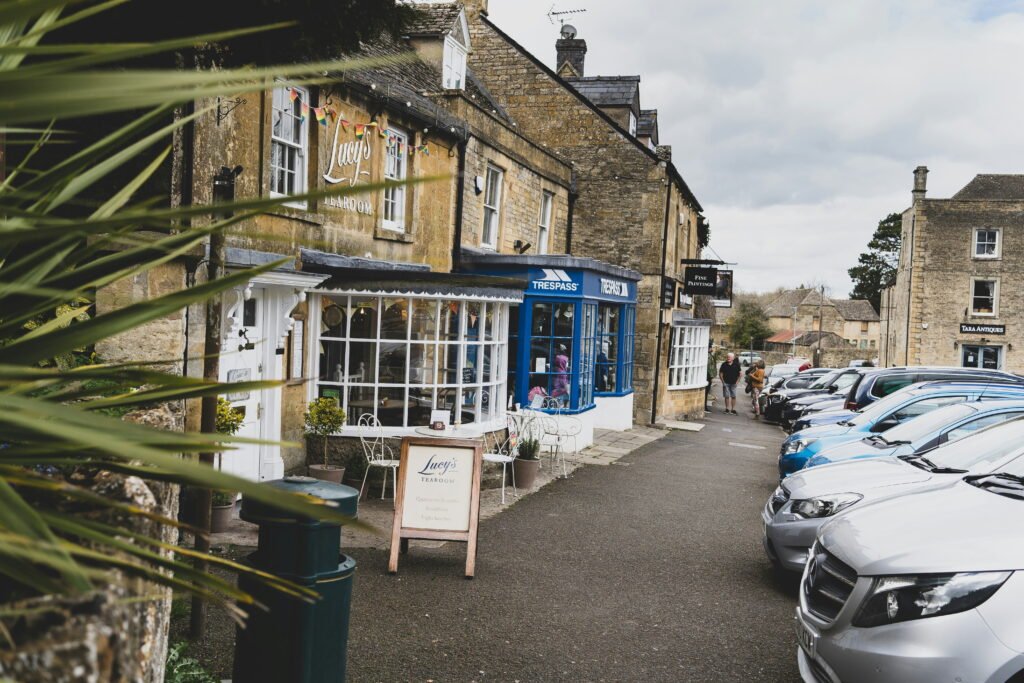
Unlike the tiny villages where the main attraction is the scenery, Stow has a busy market square, antiques shops, boutiques and plenty of places to stop for food or a drink.
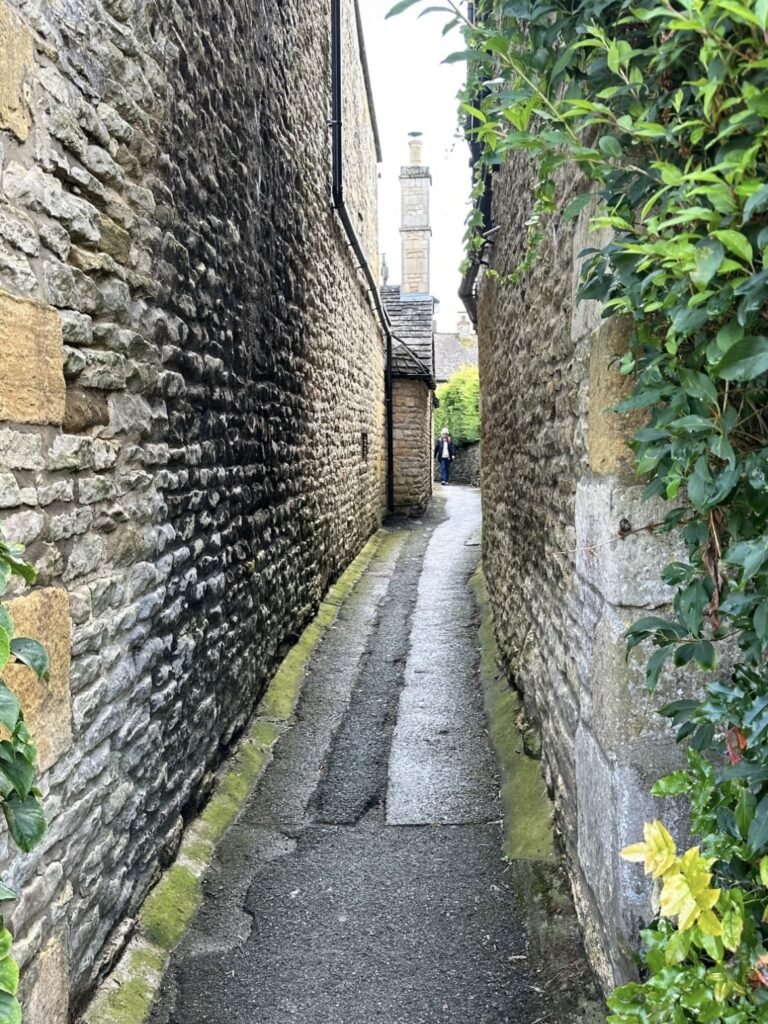
I enjoyed exploring the little streets and looking around the shops. It’s the sort of place where you might arrive planning a quick stop and find yourself spending longer than expected.
The Market Square is a good place to begin, and I’d also wander away from it to see some of the smaller streets and historic buildings.
What makes Stow-on-the-Wold worth visiting?
For me, Stow is a good choice if you want to balance picturesque villages with a town that has more shops and places to eat.
It’s also a useful contrast to somewhere like Bibury. Rather than visiting primarily for one famous view, you can spend time exploring and see what catches your eye.
We stopped here for lunch, although my meal was disappointing. I wouldn’t let one bad lunch put me off recommending the town itself.
My tip: If shopping, antiques and independent boutiques appeal to you, I’d make room for Stow-on-the-Wold rather than trying to visit every small village nearby.
8. Broadway
Broadway is a good choice if you want a Cotswolds village where you can do more than admire the buildings.
Its wide High Street is lined with honey-coloured stone cottages, independent shops, galleries and places to eat. Compared with smaller villages such as Bibury or Lower Slaughter, there’s more reason to spend a few hours here.
Broadway is also associated with the Arts and Crafts movement, which adds another layer of interest if you enjoy historic buildings and design.
What to do in Broadway
Start with a walk along the High Street, taking time to browse the shops and admire the buildings.
Broadway Tower is another reason to visit the area. The hilltop folly stands above the village and is known for its views across the surrounding countryside.
The important distinction is that Broadway Tower isn’t in the village centre. If you want to see it, plan for a separate stop or countryside walk rather than assuming you’ll come across it while exploring the shops. Check current access and admission arrangements if you’d like to go inside.
My tip: Broadway is worth considering if you want to combine shopping and cafés with countryside views. If you’re only interested in a quick village wander, you may not need to include the tower at all.
9. Chipping Campden
Chipping Campden is one of the best places in the Cotswolds if you’re interested in historic architecture.
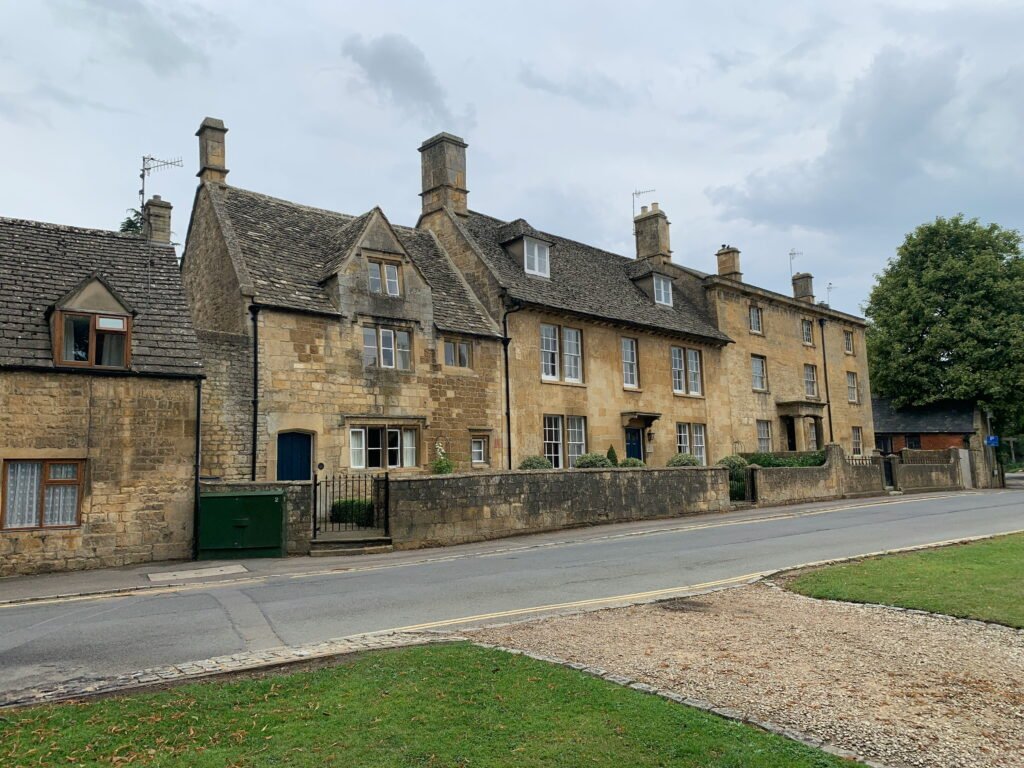
The town is known for its long High Street, lined with traditional stone buildings, and its historic Market Hall. It’s a good place to wander without a strict plan, stopping to admire the architecture and explore the independent shops.
Chipping Campden is also associated with the Arts and Crafts movement, and it marks one end of the Cotswold Way National Trail.
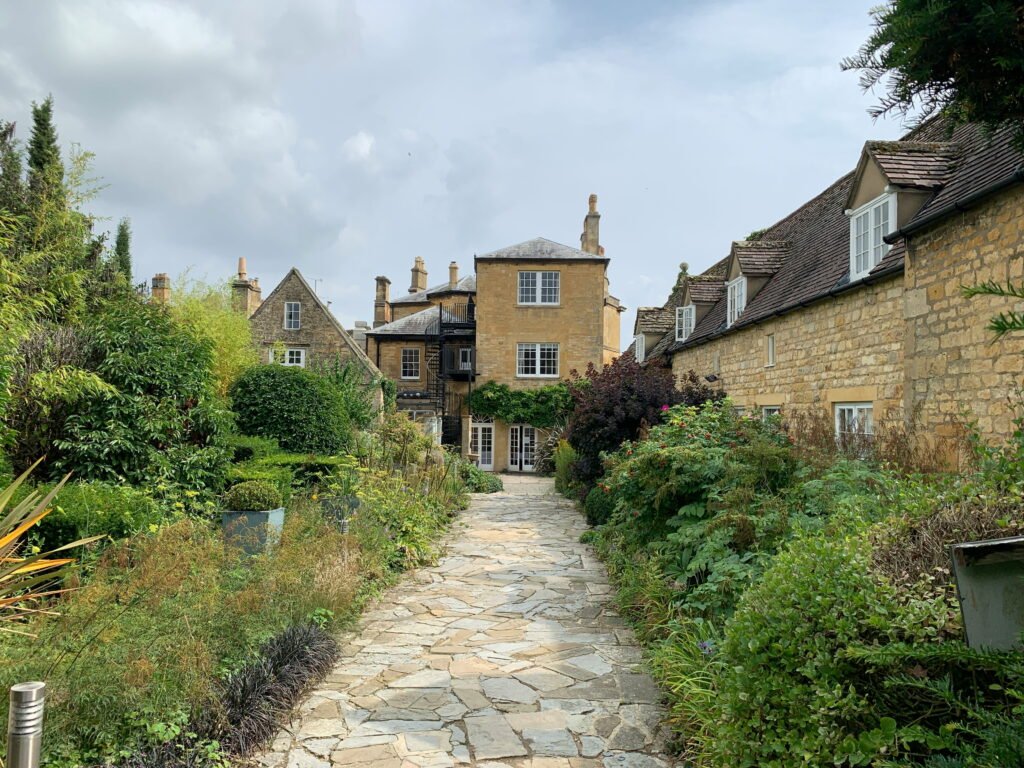
What to see in Chipping Campden
The Market Hall is an obvious starting point. From there, walk along the High Street and take time to appreciate the historic buildings.
I’d choose Chipping Campden over another small village if you want to combine sightseeing with a countryside walk. Its position on the Cotswold Way makes it appealing for visitors who would like to explore beyond the town centre.
You don’t need to commit to a long-distance hike. A shorter walk could be enough to give you a different perspective on the surrounding countryside.
My tip: Chipping Campden and Broadway are both worth considering in the northern Cotswolds, but you don’t have to rush through both. Choose Chipping Campden if historic architecture and walking appeal to you; choose Broadway if you’d prefer more time browsing shops and visiting Broadway Tower.
10. Snowshill
Snowshill is a small hilltop village in the northern Cotswolds, surrounded by rolling countryside.
It’s worth considering if you want somewhere that feels different from the busier market towns. The village itself is small, with traditional stone buildings and a rural setting.
Snowshill is also known for Snowshill Manor, a National Trust property associated with the unusual collections of Charles Wade.
What to do in Snowshill
Before adding Snowshill to your plans, decide what you’re actually going there to see. Visiting the village, exploring Snowshill Manor and seeing the nearby lavender fields are three different experiences, and they don’t all require the same amount of time.
If you’re interested in historic houses, Snowshill Manor gives you a reason to spend longer in the area. Check its opening arrangements before visiting, as you shouldn’t assume the house is open every day.
You may also have seen photographs of lavender fields associated with Snowshill. If that’s what attracts you, check the relevant farm’s current visitor arrangements and flowering season before planning your trip around them. Lavender isn’t a year-round attraction.
If neither the manor nor the lavender interests you, Snowshill may be better suited to a shorter countryside-focused stop.
11. Painswick
Painswick is a historic town in the southern Cotswolds, sometimes known as the Queen of the Cotswolds.
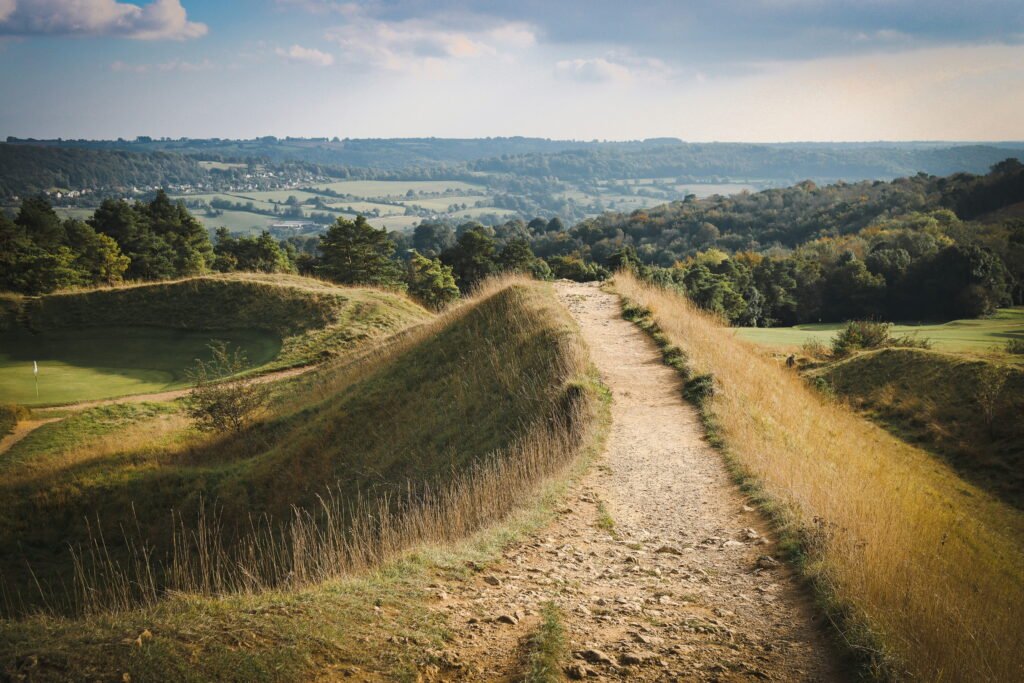
It’s a good option if you’re looking beyond the villages that appear on almost every first-time visitor’s list. You’ll still find the honey-coloured buildings associated with the region, but Painswick also has distinctive historic attractions and access to countryside walks.
One of its best-known sights is St Mary’s Church, particularly the churchyard with its carefully maintained yew trees.
What to see in Painswick
St Mary’s Church and its churchyard are a good starting point before exploring the streets around the town centre.
Painswick Rococo Garden is another attraction worth considering. It’s a restored eighteenth-century garden with an unusual design, making it quite different from the villages and market towns elsewhere in this guide.
The garden is the reason I’d allow more time for Painswick rather than treating it as another quick village stop. If you’re interested in gardens, it could become the main part of your visit. If not, you can still explore the town and churchyard without planning around a paid attraction.
Painswick also sits close to the Cotswold Way, making it an option for anyone who wants to include a countryside walk.
My tip: Choose Painswick if you want historic buildings, gardens or walking. It offers a different experience from visiting another village purely for its cottages.
12. Tetbury
Tetbury is a historic market town in the southern Cotswolds, known for its independent shops, antiques and attractive stone buildings.
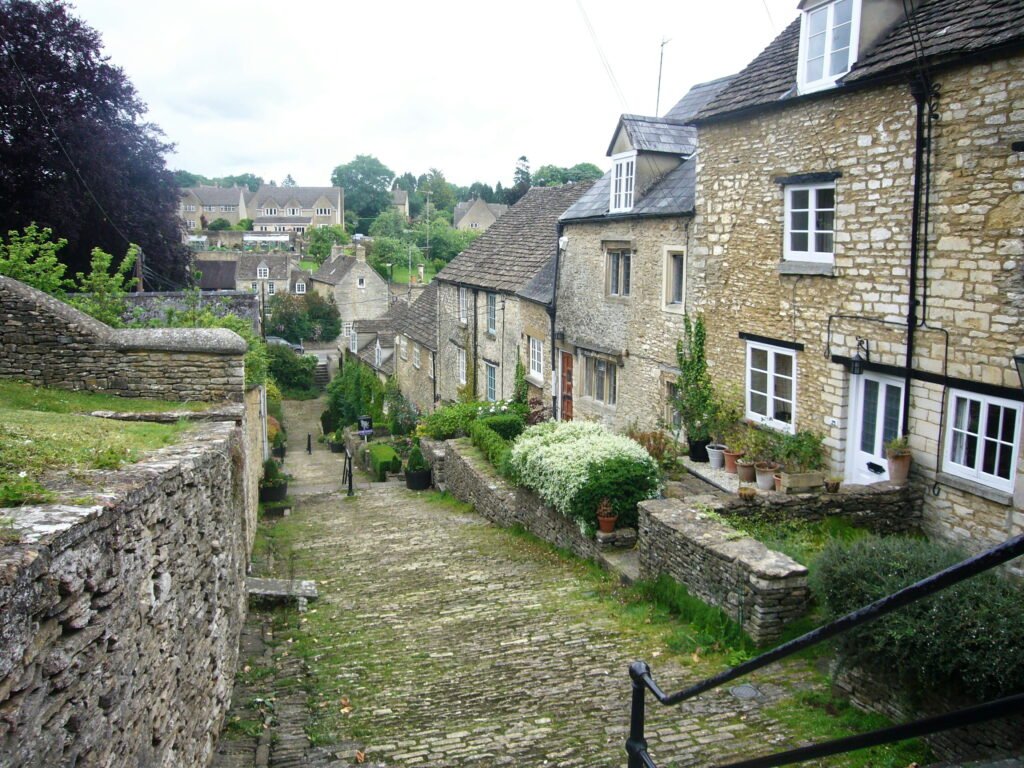
If browsing little shops is one of your favourite things to do on a trip, Tetbury deserves a place on your list.
The town has a different feel from the smaller villages. Rather than arriving to see one famous landmark, you can spend time exploring the streets, looking in shop windows and finding somewhere to stop for lunch.
What to see in Tetbury
The Market House is one of Tetbury’s most recognisable buildings and a good place to begin exploring.
From there, wander through the town centre and browse the antiques shops and independent businesses.
Tetbury is also close to Highgrove, the private residence associated with King Charles III. If you’re interested in visiting the gardens, check the official visitor information, as access is through organised tours rather than general admission.
Westonbirt Arboretum is another attraction in the wider area, particularly if you enjoy gardens and woodland walks.
The key thing to know is that Highgrove and Westonbirt aren’t attractions you’ll see while wandering around Tetbury town centre. Each needs to be planned separately, so I’d decide whether you’re visiting Tetbury for its shops or using it as part of a longer day exploring nearby attractions.
My tip: If you’re mainly interested in antiques and independent shops, concentrate on Tetbury itself. If Highgrove or Westonbirt is the main reason for your visit, plan your day around that attraction first.
13. Cirencester
Cirencester is a larger town than many of the places in this guide, but that’s exactly why it deserves consideration.
If you’re spending several days in the Cotswolds, visiting only tiny villages can become repetitive. Cirencester offers a different experience, with Roman history, independent shops, cafés and a busy town centre.
It was an important settlement during the Roman period, and that history is one of the strongest reasons to include it in your plans.
What to do in Cirencester
I’d choose Cirencester if you want a break from visiting picturesque villages and would enjoy learning something about the area’s history.
The Corinium Museum is worth considering if you’re interested in Roman Britain. Its collections help explain the town’s past and provide a different kind of sightseeing experience from wandering around Cotswolds villages.
St John Baptist Church is another major landmark in the town centre, and you can explore the surrounding streets afterwards.
Cirencester Park offers somewhere green to walk, although you should check current access arrangements before visiting.
There are also plenty of places to stop for food or browse independent shops, so Cirencester could work well if you want to spend longer in one place rather than drive between several small villages.
14. Winchcombe
Winchcombe is a historic town in the northern Cotswolds, surrounded by countryside and close to several walking routes.
It’s a good option if you want to combine a traditional Cotswolds town with a historic attraction or time outdoors.
The town centre has stone buildings, independent shops and places to eat, but one of the biggest reasons to visit the area is Sudeley Castle.
What to do in Winchcombe
Sudeley Castle is known for its history, gardens and association with Katherine Parr, the sixth wife of Henry VIII, who is buried there.
If Sudeley Castle is what attracts you to Winchcombe, I’d treat it as a main activity rather than something to squeeze between several villages. You’ll want enough time to explore the castle and gardens, and it’s worth checking current opening times and admission arrangements before planning your visit.
If you’d rather spend time outdoors, the countryside around Winchcombe offers walking opportunities, including routes associated with the Cotswold Way and the Winchcombe Way.
The town itself is also worth a wander, particularly if you enjoy independent shops and historic streets.
My tip: Choose Winchcombe if you want to combine a town visit with Sudeley Castle or a countryside walk. If you’re not planning to do either, another market town may suit your trip just as well.
15. Moreton-in-Marsh
Moreton-in-Marsh is a traditional Cotswolds market town with a long high street, historic buildings and independent shops.
It was the final stop on our trip, and by the time we arrived, it was approaching 5pm. Many of the shops and tearooms were starting to close, and we’d already spent a long day exploring.
I think that affected how much we got out of the visit.
After seeing several beautiful towns and villages, we were reaching the point where everything was beginning to blur together. That’s something worth keeping in mind when planning a Cotswolds road trip: even the prettiest places can lose some of their appeal when you’re tired and trying to fit in one more stop.
Is Moreton-in-Marsh worth visiting?
Moreton-in-Marsh is worth considering if you want a market town rather than another small village, particularly if you’re arriving by train or planning to spend time exploring its shops.
It has a railway station, which also makes it useful for visitors who aren’t travelling entirely by car.
However, I wouldn’t add it to an already full day simply to increase the number of places you’ve visited.
My tip: If Moreton-in-Marsh is somewhere you particularly want to explore, visit earlier in the day rather than leaving it until shops are beginning to close.
Which Cotswolds towns and villages should you visit first?
Not sure where to start? I’d choose your Cotswolds stops based on what you enjoy most: picturesque villages, independent shops, historic attractions or countryside walks.
If you’re dreaming of classic Cotswolds cottages, Bibury and Castle Combe are worth considering. For pretty riverside scenery, I’d choose Lower Slaughter or Bourton-on-the-Water, although Bourton is the busier option and has more attractions.
If you enjoy independent shops, antiques and traditional pubs, Burford and Stow-on-the-Wold are good choices. Broadway also offers plenty of shops, with the option of visiting Broadway Tower for countryside views. For historic market towns, consider Chipping Campden, Tetbury or Moreton-in-Marsh.
If you’d prefer to include something beyond picturesque streets, Cirencester is worth considering for its Roman history, Painswick for its gardens and Winchcombe for Sudeley Castle and countryside walks. Snowshill could appeal if you’re interested in Snowshill Manor or visiting the nearby lavender fields in season.
Of the places I’ve personally visited, Bibury would be my first pick, followed by Lower Slaughter and Burford. But I wouldn’t automatically recommend those three to everyone. If you love shopping, you might enjoy Burford and Stow-on-the-Wold more than spending your entire trip in small villages.
And if you’re wondering about Upper Slaughter, I’d treat it as an optional extra if you’re already visiting Lower Slaughter and have time for the walk between them.
The best places to visit in the Cotswolds are the ones that suit the kind of trip you want to have.
How to choose which Cotswolds towns and villages to visit
The Cotswolds covers a large area, and the best way to choose your stops is to think about what you enjoy doing and which part of the region you’re exploring.
Choose a mixture of towns and villages
I think the Cotswolds is more interesting when you experience different sides of it.
Bibury and Lower Slaughter are wonderful if you want picturesque cottages and riverside scenery. Burford and Stow-on-the-Wold offer more opportunities to browse shops, stop for food and spend longer exploring.
Bourton-on-the-Water sits somewhere in between, with beautiful river views and more attractions, but also more visitors.
You could then choose somewhere that adds a different experience, such as Cirencester for Roman history, Painswick for its gardens or Broadway for countryside views.
That gives your trip variety without needing to visit every well-known location.
Think about which part of the Cotswolds you’re exploring
I’d group places by location rather than choose your stops purely by looking at photographs.
Places such as Broadway, Chipping Campden, Stow-on-the-Wold and Moreton-in-Marsh are useful to consider when exploring the northern Cotswolds.
Bibury, Burford, Bourton-on-the-Water and the Slaughters are options for the central part of the region.
Castle Combe, Tetbury and Painswick are worth considering if you’re heading further south.
Bath is also close to the southern Cotswolds, so it’s worth considering if you’re planning a longer trip to the area. You could spend a day exploring the Cotswolds before enjoying the Georgian architecture and historic attractions of Bath. If you’d like to include the city in your plans, my first-timer’s guide to what to do in Bath is a good place to start.
And if you’re keeping sightseeing costs down, I’ve also shared 15 free things to do in Bath.
These aren’t fixed routes, and you don’t need to stick to one area for your entire trip. But grouping nearby places together can save you from spending more time driving than exploring.
Where we stayed in the Cotswolds
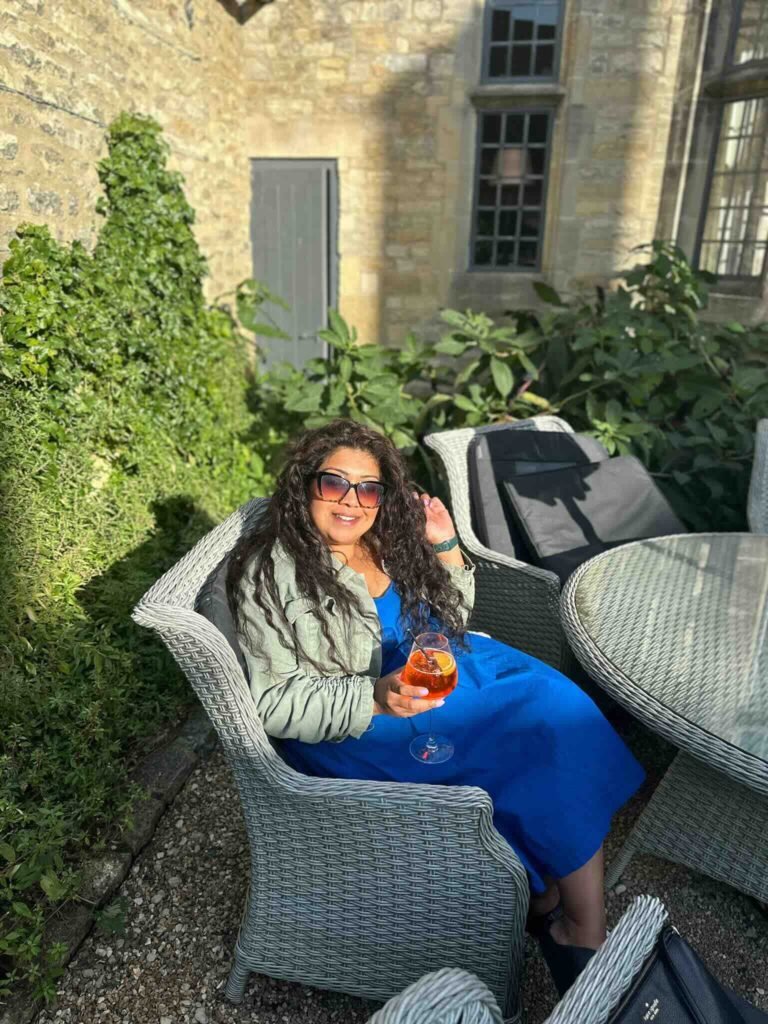
We stayed at De Vere Cotswold Water Park during our road trip, and I loved it. The rooms felt wonderfully plush, and the stunning views made it a lovely place to return to after a day exploring the Cotswolds.
I’d consider it if you’re travelling by car and want a comfortable base for visiting several towns and villages. It’s a different experience from staying in a traditional Cotswolds village, but that suited our road trip.
Don’t underestimate driving and parking time
Some places are close together, but that doesn’t mean you can move between them instantly.
You’ll need to allow time for country roads, finding somewhere to park and walking from the car park into the village.
Popular places such as Bourton-on-the-Water can be particularly busy, while smaller villages may have limited parking.
I’d rather plan fewer stops and have time for an unexpected café or shop than spend the day checking the time.
Leave room for the weather
We experienced both sunshine and heavy rain during our Cotswolds visit, and it made a noticeable difference.
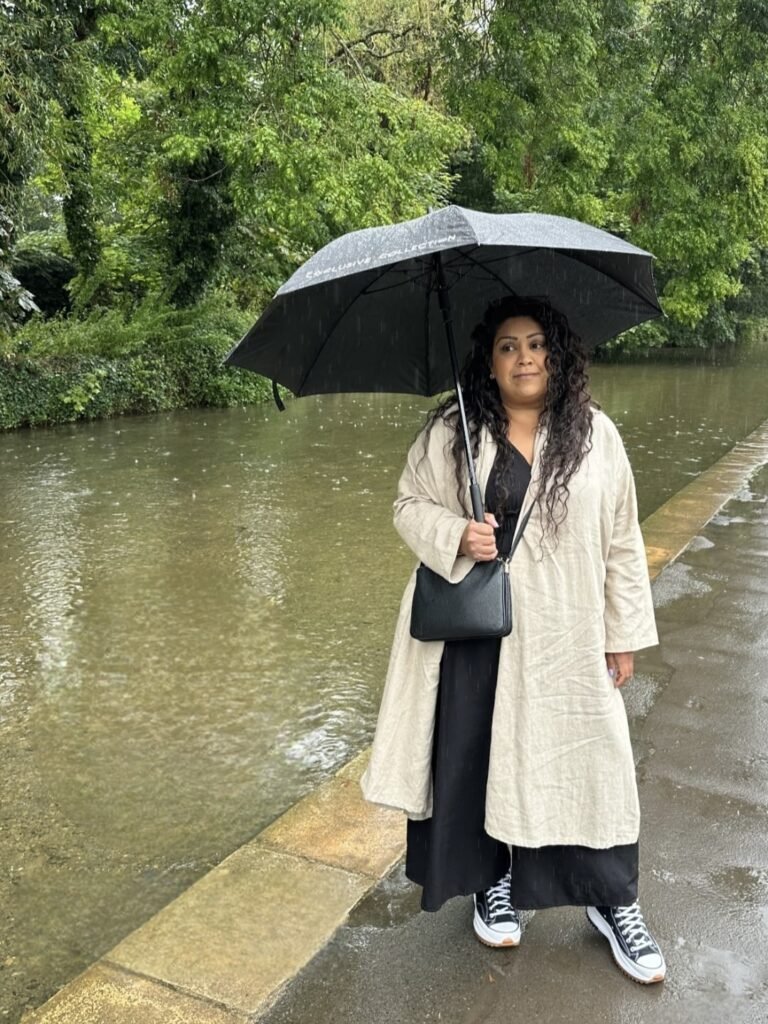
Bibury was beautiful in the sunshine, while Bourton-on-the-Water felt much busier and less enjoyable in the rain.
You don’t need perfect weather to enjoy the Cotswolds, but I’d keep your plans flexible.
A long lunch or a wander around the shops in Burford might appeal more than a countryside walk if the weather turns.
Do you need a car to visit the Cotswolds?
You don’t necessarily need a car to visit the Cotswolds, but I’d recommend one if your main goal is exploring several smaller towns and villages.
The region covers a large area, and public transport won’t always take you directly between the places you want to see. Travelling by car gives you more freedom to combine stops and change your plans.
If you’re flying into the UK or don’t have access to a car, you can compare car hire options for your trip. I’d recommend booking ahead rather than leaving it until you arrive, particularly if you’re travelling during a busy period.
Moreton-in-Marsh has a railway station, making it one of the more straightforward places to reach without driving. You can also reach some other Cotswolds towns by bus, although services vary and may be less frequent in rural areas.
If you don’t want to drive, I’d focus on a smaller number of towns with workable train or bus connections rather than trying to recreate a road trip. You could also consider a guided Cotswolds tour if seeing places such as Bibury and Bourton-on-the-Water is a priority.
For a first visit focused on villages such as Bibury and Lower Slaughter, I’d find driving the more convenient option.
How many places should you visit in the Cotswolds?
I’d choose quality over quantity. As a rough guide, I’d pick two or three places for a relaxed day, depending on how far apart they are and what you want to do in each one.
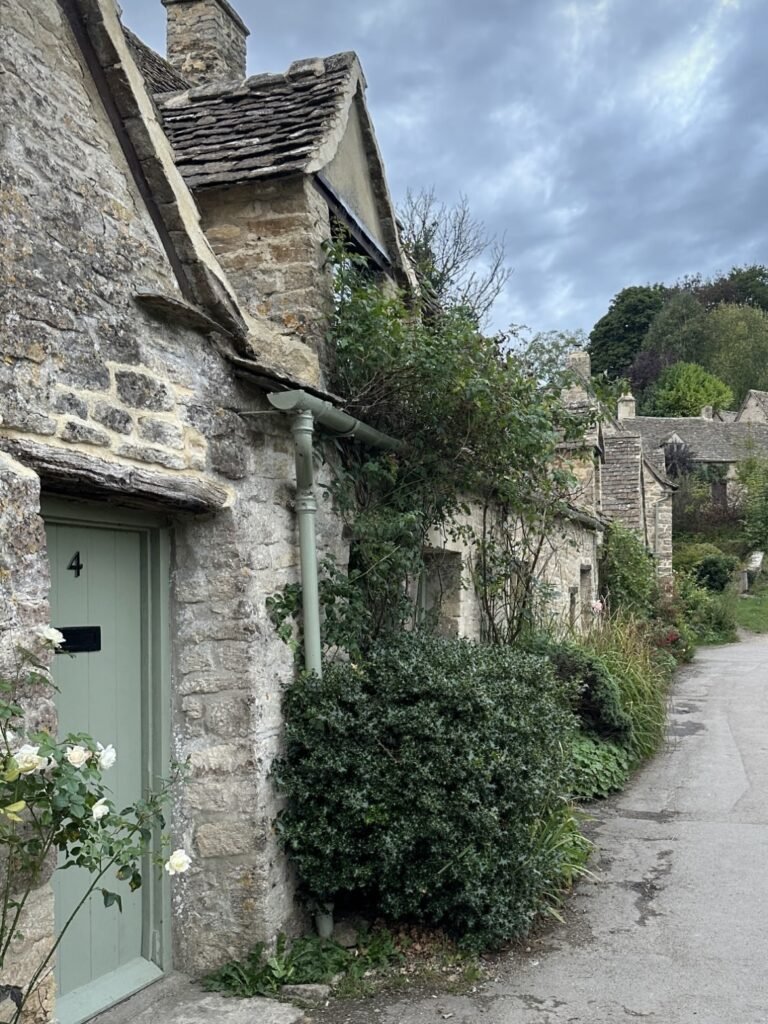
Smaller villages such as Castle Combe and Lower Slaughter are well suited to a short wander, while towns such as Burford, Stow-on-the-Wold and Broadway deserve longer if you enjoy browsing shops or stopping for lunch. If you’re visiting somewhere like Sudeley Castle, Snowshill Manor or Painswick Rococo Garden, I’d treat that as a main activity rather than squeeze it between several villages.
If you’d prefer to see how a road trip could come together in practice, here’s a two-day Cotswolds itinerary covering several of the towns and villages mentioned in this guide.
And if you’re deciding between another village and an extra hour somewhere you’ve already fallen in love with, I’d choose the extra hour.
That’s particularly true of Bibury. We visited twice, and our quieter second visit was one of the highlights of the trip.
When is the best time to visit the Cotswolds?
The Cotswolds is worth visiting throughout the year, but the experience can feel quite different depending on when you go.
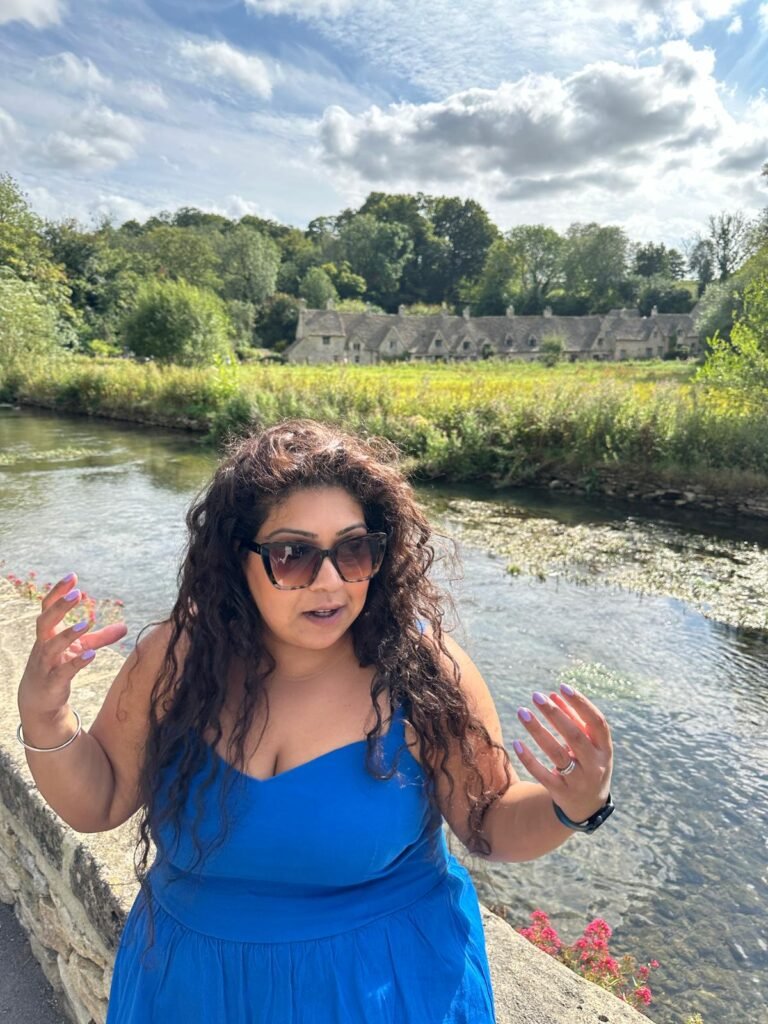
Spring and summer are appealing if you want longer days, countryside walks and time sitting outside cafés and pubs.
Autumn can be a lovely time for exploring historic towns and enjoying the changing colours of the countryside.
Winter brings a different atmosphere, particularly in market towns with traditional pubs and seasonal events, although shorter daylight hours mean you’ll need to be more selective about how much you try to see.
Whatever time of year you visit, I’d pay attention to weekends, bank holidays and school holidays. Popular villages can get busy, especially around their best-known landmarks.
If you have the flexibility, visiting on a weekday or arriving earlier in the morning may make exploring more enjoyable.
Are the Cotswolds worth visiting?
The Cotswolds is absolutely worth visiting if you love traditional English villages, countryside scenery and independent shops.
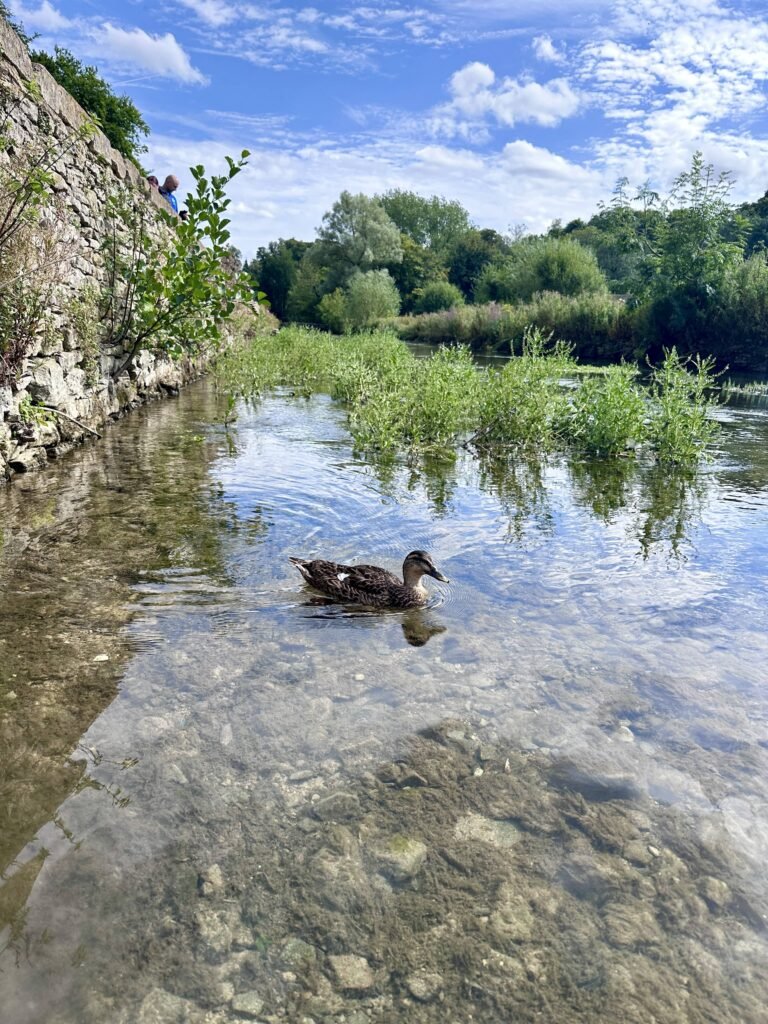
Of the places I’ve personally explored, Bibury was my favourite, Lower Slaughter was one of the most charming, and Burford was a highlight for its shops and pub dinner. But your favourites might be completely different depending on whether you enjoy historic buildings, countryside walks or browsing independent shops.
If you’re planning your first trip, start by choosing the part of the Cotswolds you want to explore, then pick a mixture of towns and villages that genuinely interest you. You don’t need to see all 15 places to have a memorable visit.
Read more about South West England:
- What to Do in Bath: A First-Timer’s Guide
- Where to Stay in Bath for a Special Occasion: 6 Spa Hotels
- How to Plan a Day Trip to Bath from London
- 15 Free Things to Do in Bath: A Budget-Friendly Guide
- 15 Best Places to Visit in the Cotswolds: A Guide
- Things to Do in Bristol: Street Art, Sundowners & Shiny Shoes
